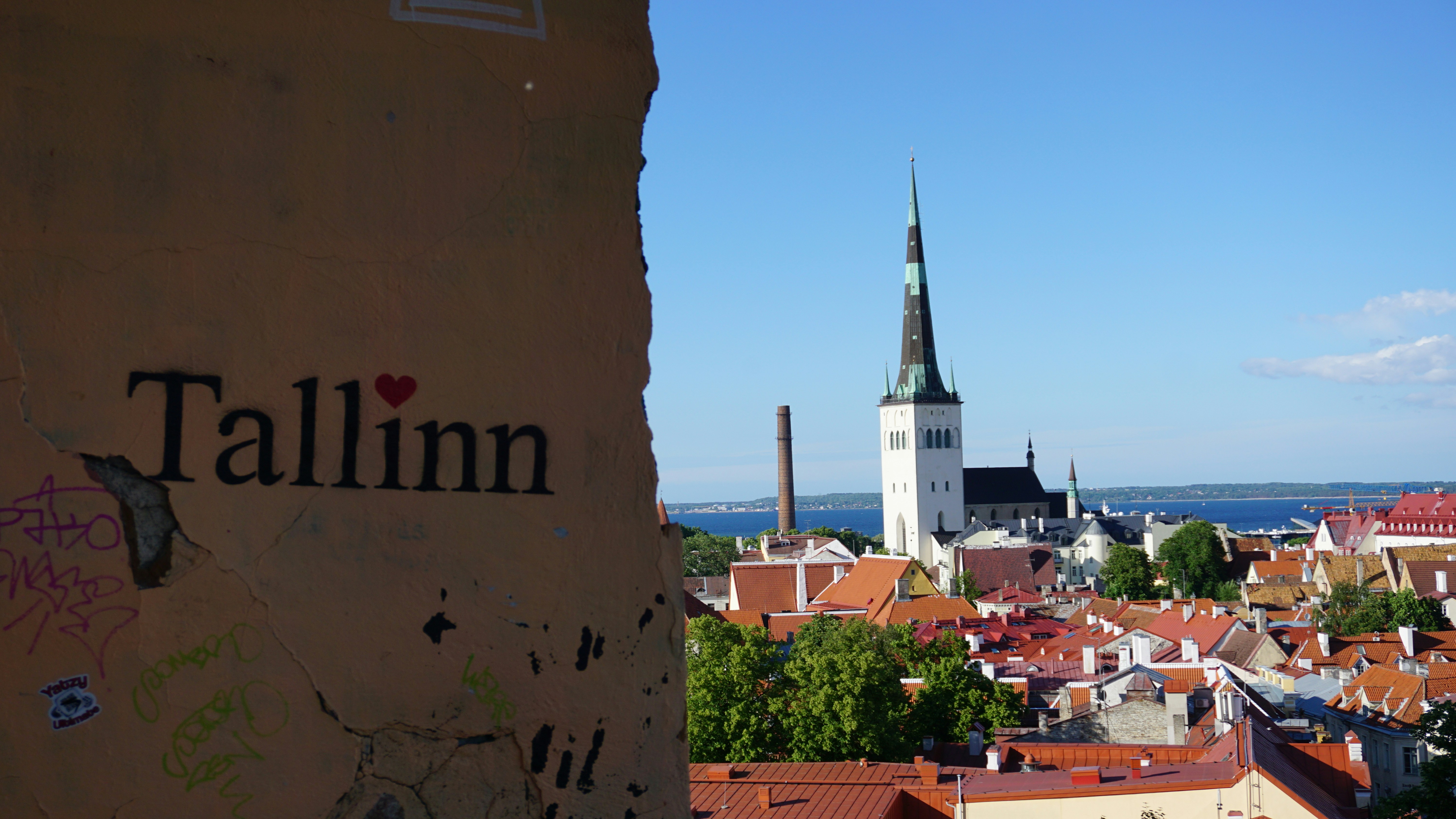
Tallinn Renovation Grants 2025: Practical Guide for Apartment Owners
Well-planned renovation can significantly increase your property value, lower monthly utility bills and make your home more attractive to buyers and tenants. In Tallinn, apartment associations and owners can often use different renovation grants and support schemes. This guide gives a practical overview for 2025 and explains how to prepare your building and documents.

1. Why renovation grants matter for property value
In Estonian cities, renovated buildings usually sell and rent faster. Buyers in Tallinn, Viimsi and nearby areas often filter portals like RNB.ee by keywords such as “renovated”, “new facade” or “low utility costs”. Renovation can help you:
- reduce heating and electricity costs
- improve energy class and attractiveness
- increase market value of each apartment
- make the building more competitive in future sales
2. Typical renovation works supported by grants
Exact conditions change over time, but renovation grants commonly support:
- insulation of facade, roof and basement
- replacement of old windows and doors
- modernisation of heating systems (heat pumps, balancing, automation)
- ventilation upgrades with heat recovery
- improvement of common areas and technical systems
Note: this article is an informational guide and not legal or financial advice. Always check the latest conditions on official Estonian and Tallinn city websites.
3. Who can usually apply?
Renovation support is commonly targeted at apartment associations and sometimes owners of small residential buildings. Typical requirements include:
- the building is primarily residential
- a formal apartment association is registered
- no serious tax or utility debts
- approved renovation decision by a general meeting
4. Step-by-step plan for Tallinn apartment owners
Step 1: Technical assessment
Invite an engineer or energy expert to assess the current condition, energy performance and necessary works.
Step 2: Discuss in the apartment association
Present the assessment, possible grants and expected cost per apartment. Prepare answers to owners’ questions.
Step 3: Decide and document
Organise a general meeting, vote on renovation and record the decision according to Estonian law.
Step 4: Prepare grant application
Collect required documents: technical report, project plan, cost estimates, meeting minutes, financial data.
5. Documents you should prepare in advance
To avoid delays, apartment associations in Tallinn should prepare at least:
- updated apartment association statutes
- latest annual report and overview of debts
- minutes and decisions of the general meeting
- energy audit or technical condition report
- renovation project or preliminary design
- offers from builders (preferably several)
6. How renovation influences your sale listing on RNB.ee
Once renovation is completed or confirmed, you can highlight it in your property listing:
- use phrases like “renovated building”, “new roof”, “insulated facade”
- upload before/after facade photos
- show typical winter utility costs after renovation
- mention improved energy class and comfort
Tip: buyers searching on RNB.ee often sort by newest and filter by renovated buildings. A clearly described renovation can move your listing to the top of their shortlist.
7. Frequently asked questions
How long does it take from idea to finished renovation?
Planning, project design, applying for grants and organising a loan may take 6–18 months. Construction itself often takes one season.
Can a single owner apply without the association?
Most larger renovation grants are intended for apartment associations. Individual owners can still renovate their own apartment, but facade and major systems usually require collective decisions.
Does renovation always increase sale price?
There is no guarantee, but updated buildings tend to keep their value better and sell faster, especially in competitive areas of Tallinn.
Planning renovation and thinking about selling afterwards? Track renovated apartments and real buyer prices on RNB.ee.